KiwiRail operating model case study
Connecting the people who plan the railway with the people who keep it moving
Overview
KiwiRail operating model engagement
Context of the engagement
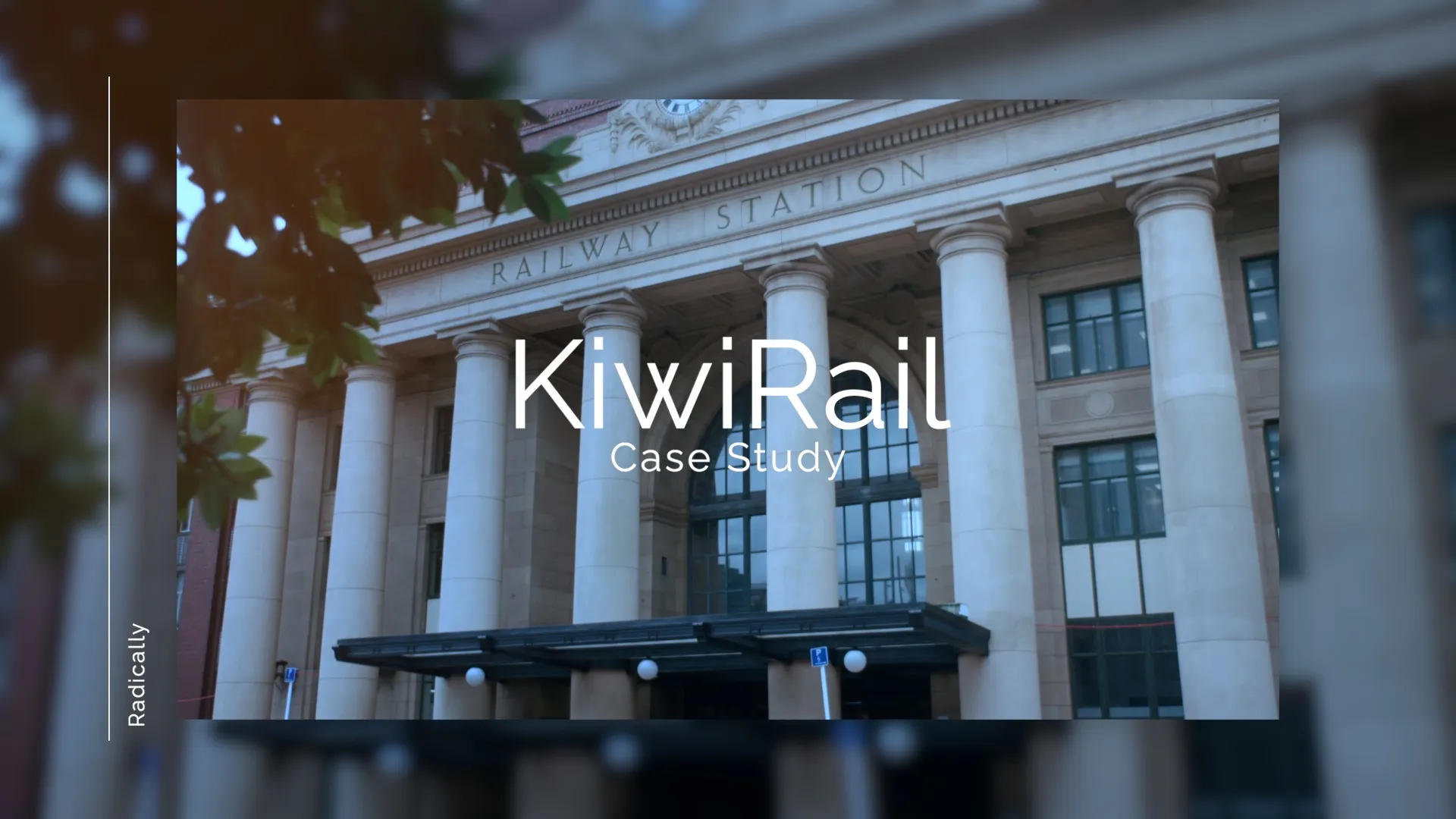
KiwiRail Wellington Metro was changing the way its metro business worked. The KiwiRail operating model was not simply a restructure or a new organisation chart. It was about creating a clearer, more connected way for people to plan, make decisions and deliver work across the whole metro system.
The environment was complex. Wellington Metro needed to coordinate across leadership teams, frontline operations, asset and maintenance teams, delivery groups and external partners, including GWRC and Transdev. There were strong examples of good work across the organisation, but the overall system was still too dependent on informal coordination, personal relationships and reactive problem-solving.
This work was also different from a typical corporate operating model project. It needed to connect people working in offices with people doing hands-on operational work on and around the railway. The model had to make sense to both groups, because the railway only works when planning, leadership, maintenance and frontline delivery are properly joined up.
Radically worked alongside KiwiRail to design and help stand up a new operating model. The focus was on improving clarity, accountability and flow across the full lifecycle of metro work, from planning and prioritisation through to delivery, maintenance and ongoing operations.
The Challenge
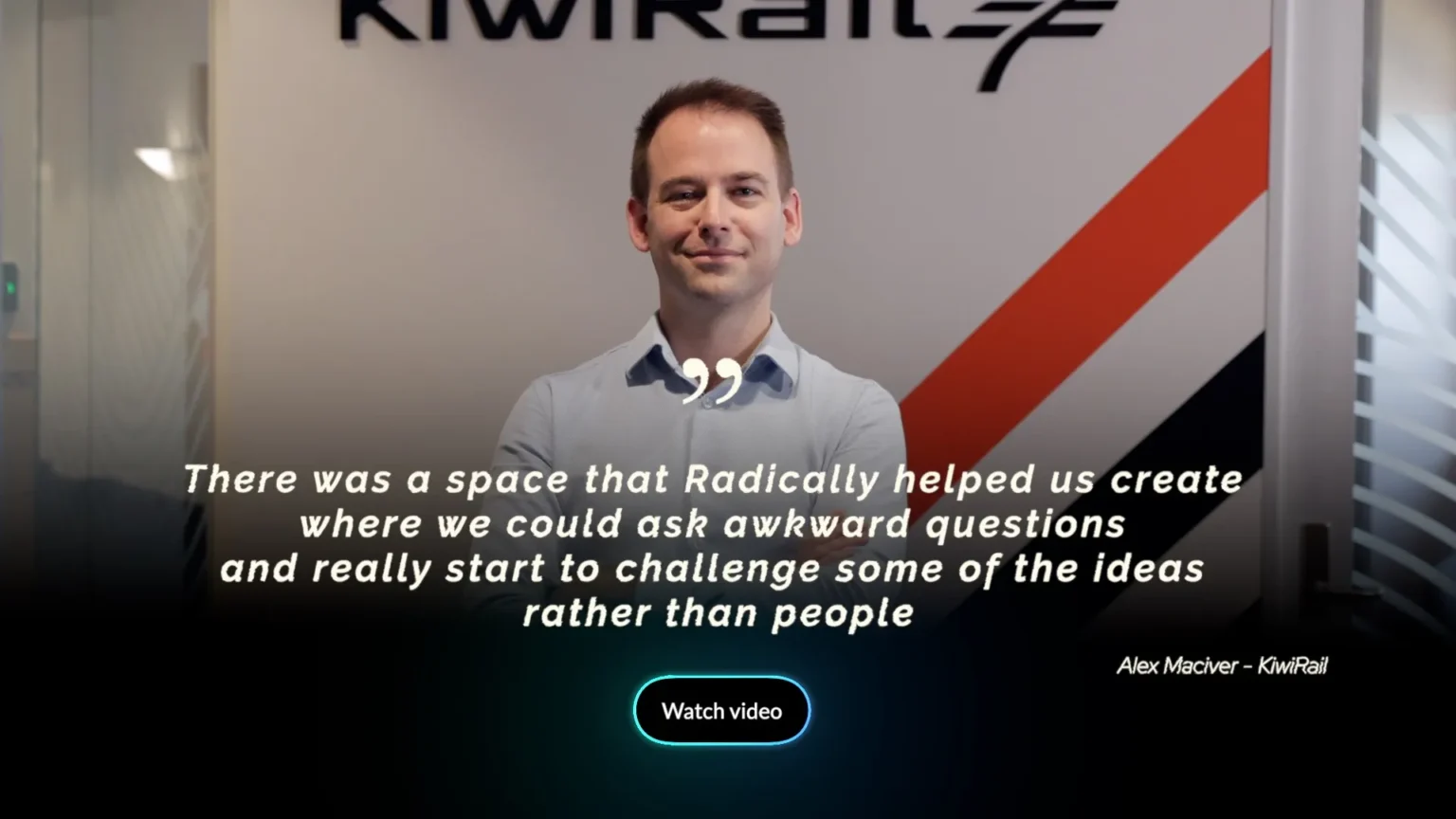
KiwiRail Wellington Metro was facing a set of connected challenges. People were working hard, but the way work moved across Metro was not always clear or easy to coordinate.
The problem was not effort. It was clarity.
Metro was still often viewed through separate work areas, such as projects, operations, maintenance and renewals. That made it harder to see the full journey of work across the whole system. Priorities, resource limits, decisions, dependencies and handovers were not always visible to everyone who needed to see them.
This made leadership harder. Forums and meetings were sometimes too focused on updates and current issues. Leaders needed a clearer view of work, capacity, risk and constraints, so they could make better decisions, set priorities and hold the right people accountable.
There was also a very human side to the challenge. The work involved office-based leaders, technical specialists, unionised teams, frontline crews and people working in live operational environments. The new model had to reflect how work really happened on the ground, not just how it looked on paper.
That meant the challenge was bigger than designing a new structure. KiwiRail needed a more connected way of working across the Metro asset lifecycle, with stronger coordination between planning, prioritisation, delivery, maintenance and operations.
Our Approach
Radically’s approach was practical and collaborative. We worked with KiwiRail leaders and teams to understand how work moved across the whole Metro system. We looked at where work was flowing well, where it was getting stuck, and where projects, operations, maintenance and renewals needed to be better connected.
A big part of the work was bringing the right people into the conversation. This helped KiwiRail build a shared view of the problems, not just separate views from each function or team. It also helped leaders agree on the design principles for the future model.
The new model shifted the focus away from separate work areas and toward the full Metro asset lifecycle. This gave KiwiRail a clearer way to think about accountability, handovers, priorities and shared outcomes.
The aim was simple: to help KiwiRail operate as one connected Metro system, rather than a set of functions working beside each other. The work spanned four key phases, which are detailed below.
Phase one: Discovery and insight
The first phase was about understanding how work really moved through the Metro system.
Radically ran discovery interviews and observations with leaders, teams and frontline operational people. This helped build a clearer picture of what was working well, where work was getting stuck, and where silos, unclear accountabilities or handover issues were creating friction.
We looked across the whole system, not just one team or function. This included leadership, structure, process, behaviours, decision-making and the dependencies between different groups.
The insights from this phase were then turned into design principles and practical opportunities for the future operating model. This gave KiwiRail a clear starting point for designing a model that reflected how work actually happened, not just how it appeared on paper.
Phase two: Operating model design and consultation support
The second phase focused on designing the future operating model in more detail.
Radically helped KiwiRail design the macro operating model, then supported the detailed design across functions, roles, accountabilities and key interfaces. This helped clarify who owned what, how teams needed to work together, and where decisions should sit.
We also helped identify the capabilities needed in the new model and looked for areas where the way work was organised had become too complex or duplicated.
To support the design, Radically created practical operating model artefacts. These included design principles, organisation views, role and accountability logic, interface maps, governance mapping and implementation considerations.
Radically also supported the consultation process. Feedback from leaders and teams was linked back to the design logic of the operating model, so the discussion stayed focused on what the system needed to work well, not just individual preferences or local concerns.
Phase three: Embedding the system of work
The third phase focused on helping the new operating model show up in daily work.
Radically worked with leaders to define the behaviours, routines and conversations needed to make the model work in practice. A structure alone would not be enough. Leaders needed a clear operating rhythm that helped people stay focused on the right work.
We designed leadership cadence concepts that focused on priorities, decisions, risk, capacity, accountability and end-to-end flow. The aim was to move key forums away from simple status updates and toward better decision-making.
Radically also supported team kick-off thinking. This helped each function understand its role in the new model, what it owned, how it needed to work with other teams, and what mattered most over the next quarter.
The work also identified opportunities to create a single trusted view of work, more consistent planning, clearer data ownership and stronger integrated planning forums. We also supported process maps and scenarios to reduce confusion and friction as teams moved into the new model.
Phase four: Connecting strategy to execution
The fourth phase focused on connecting the operating model to Wellington Metro’s strategy and planning rhythm.
Radically helped link the new model into FY27 strategic focus, annual planning and quarterly execution routines. This was important because the operating model needed to do more than describe how teams were organised. It needed to help leaders turn strategy into clear priorities, decisions and work.
We supported a three-day strategy planning engagement with Wellington Metro leadership. This helped shape the vision, outcomes, key enablers and FY27 focus areas.
The operating model was positioned as part of a wider delivery system. That system included leadership clarity, the annual plan, quarterly execution, team alignment and continuous improvement.
Radically also helped leaders move from design intent into practical implementation. This included leadership kick-off, functional team alignment and the ongoing operating rhythm needed to keep the model alive.
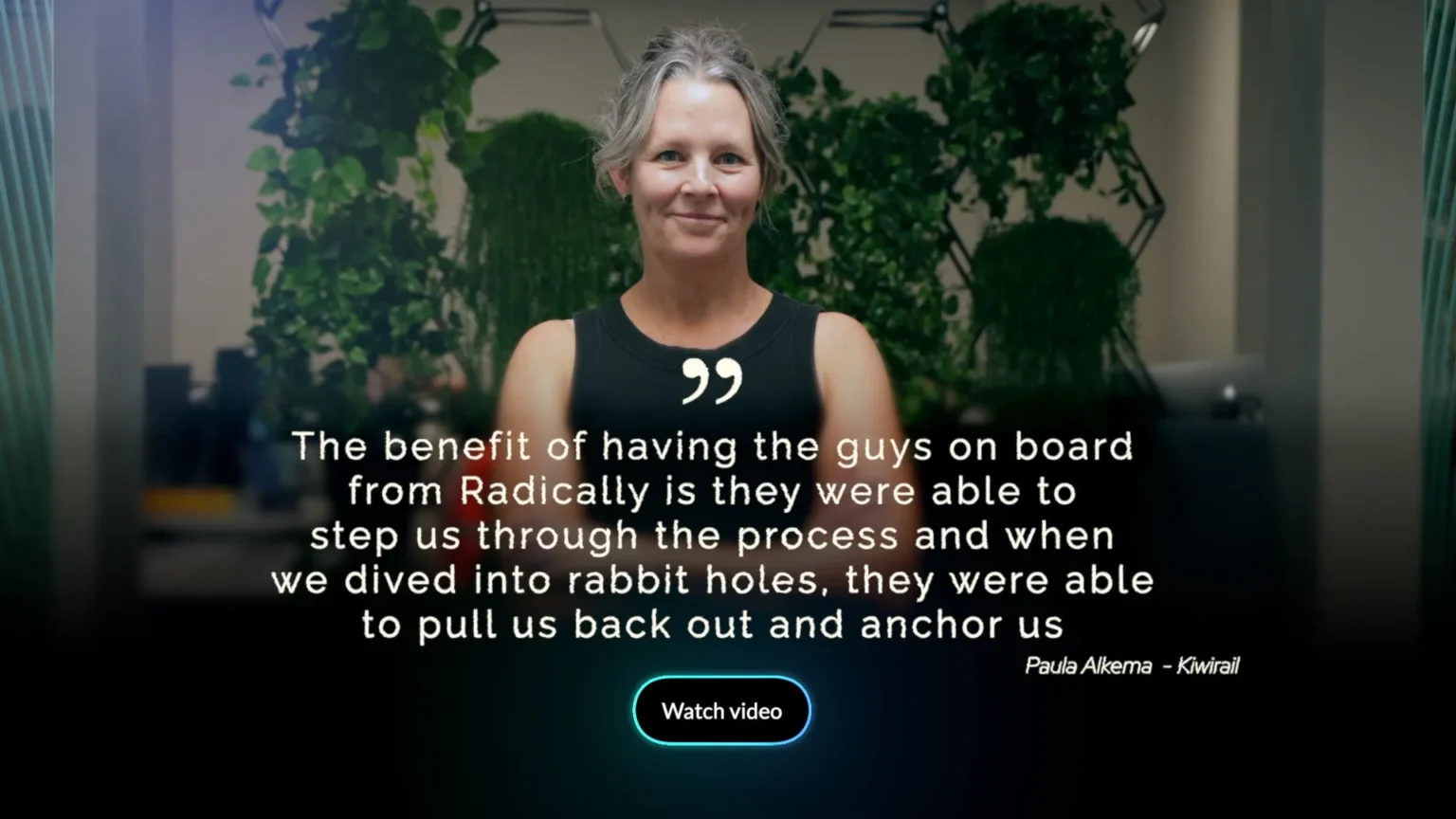
Across all four phases, the work stayed focused on one thing: helping KiwiRail move from design to real operating change. The goal was not to produce a model that looked good on paper. It was to create clearer ways for leaders, teams and frontline people to plan, decide, coordinate and deliver work across the Metro system. By connecting structure, routines, roles and planning rhythms, KiwiRail had a stronger foundation for making the new model work in practice.
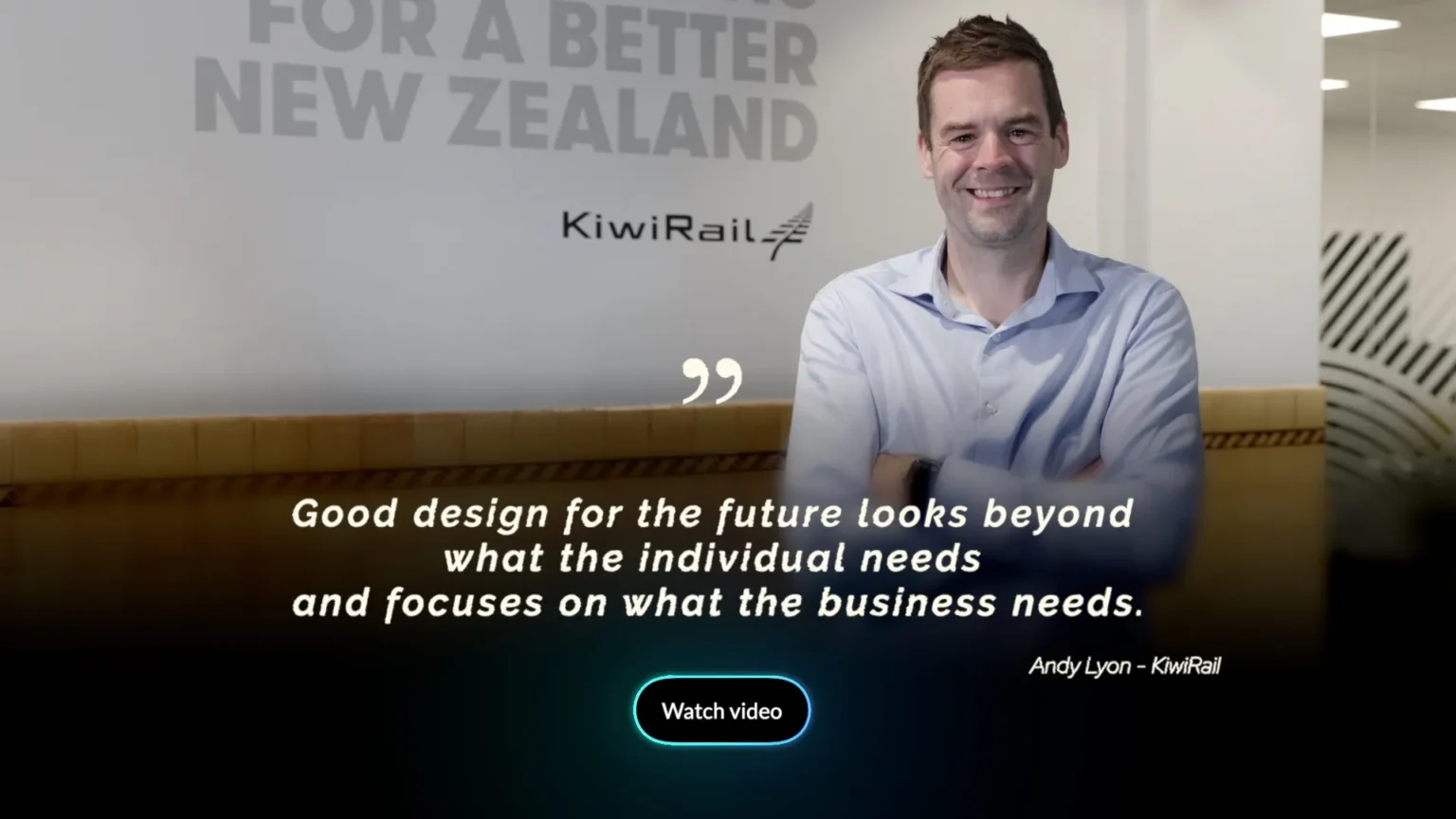
The KiwiRail operating model outcome: a clearer, more connected Metro
The KiwiRail operating model work helped Wellington Metro move from seeing structure as the main answer to seeing system clarity as the real answer.
The new operating model gave leaders and teams a clearer way to understand how work should move across the Metro system. It helped show how decisions should be made, how teams should work together, and where accountabilities needed to sit across the full lifecycle of metro work.
It also helped shift leadership conversations. Instead of focusing mainly on updates and current issues, leaders had a stronger basis for talking about priorities, risk, capacity, constraints and delivery. This created a better link between strategy, annual planning, quarterly execution and day-to-day work.
The engagement created several practical outcomes:
- A clearer Wellington Metro operating model, grounded in how work actually flows across the system.
- Design principles and structural logic to support consultation, decision-making and implementation.
- Clearer roles, accountabilities, interfaces and related technical capabilities.
- A stronger basis for integrated prioritisation, planning and delivery.
- Leadership cadence concepts that moved forums from status updates toward decisions, risk, capacity and accountability.
- Practical kick-off and team alignment materials to help each function understand its role in the new model.
- Process mapping and planning opportunities, including a single trusted view of work and more consistent planning forums.
- A clearer connection between the operating model, FY27 strategic focus, annual planning and quarterly execution.
- Greater ownership of the model by KiwiRail leaders as they moved from design into implementation.
The value was not just in the formal design. It was in helping KiwiRail build a stronger, more shared understanding of how the Metro system needed to work. Leaders and teams could see the whole system more clearly: how work flowed, where decisions needed to happen, and how different parts of the organisation needed to stay connected.
For Wellington Metro, this created a practical foundation for better planning, stronger coordination and more confident delivery. It helped bring people closer to the work, and closer to each other. That was the real shift: not just a new model, but a more connected way of operating across the people who plan, maintain, lead and keep the railway moving.
Ready to see what is actually possible?
What People Say About Us
“The reason we chose Radically was their willingness to adapt to a set of circumstances. There wasn’t a prescribed formula that was rigidly followed”.
James Magill
Executive General Manager, Origin Energy
“The transformation that we’ve gone through has really put us on a different path where we’re very buoyant around our growth potential. ”
Jason Chan
Managing Director - Bankwest

“They bring good capability to the table, good thought leaders, people who genuinely make a difference and add value and people who aren't afraid to roll up their sleeves when things get challenging. ”
Paul Bacon
Head of Telecommunications - Mercury